Boundary Hill Lodge stands on a rocky kopje in the northeastern corner of the Tarangire ecosystem in Tanzania, looking over the plains and the seasonal wildlife movements that make this part of the northern circuit worth the drive. Built into high ground with wide views, it offers game drives, walking and a genuine link to the local Maasai community whose land borders the park. About two to two and a half hours from Arusha, it pairs strong elephant viewing with a quieter side of Tarangire.

Where Boundary Hill Lodge Sits in the Tarangire Ecosystem
Boundary Hill Lodge takes its name from its position on the edge of Tarangire National Park, in the Manyara Region of northern Tanzania. Rather than sitting deep inside the busiest sectors, it perches on high ground near the eastern boundary, in an area of community land that adjoins the park proper. That location gives it two things at once: access to the park’s wildlife and space away from the vehicle traffic that clusters near the main gate.
The lodge is roughly a two to two and a half hour drive from Arusha, the standard gateway for northern safaris, though reaching this eastern side adds time on rougher tracks compared with the main entrance. The reward for that extra effort is a corner of the ecosystem that many itineraries skip.
Elephant Herds and Game Drives From Boundary Hill Lodge
Game drives are the core of any stay, and Tarangire is best known for its elephants. In the dry season, roughly June to October, the Tarangire River draws large herds as the surrounding country dries out, and the park holds one of the highest elephant densities in Tanzania. Herds numbering in the hundreds are a common sight in these months, moving between the river and the feeding grounds.
Beyond elephants, drives here turn up zebra, wildebeest, giraffe, impala and buffalo, with lion regularly seen and sometimes found resting in the shade during the hot hours. Tarangire also supports drier-country species that are scarce elsewhere on the circuit, including fringe-eared oryx, lesser kudu and gerenuk. Leopard and cheetah live in the ecosystem but are seen far less often, and no honest guide will promise them.
Because Boundary Hill sits on the eastern side, drives often explore areas that feel remote and lightly visited. You trade the guaranteed density of the river frontage for a sense of having the country largely to yourself, which for many guests is exactly the point.
Walking Safaris and the Community Partnership
One of the things that sets Boundary Hill Lodge apart is its footing on community land. The lodge is tied to a partnership with the local Maasai, and part of the point of building here was to channel tourism income into the community that shares the landscape with the wildlife. For guests, that connection shows up in the experience rather than as a talking point.
Walking safaris are part of the offer, led by armed guides and local trackers who read the ground in a way you cannot from a vehicle. On foot you notice the smaller things: tracks, dung, bird calls, the way the land is used by both people and animals. Cultural visits to nearby Maasai homesteads are also possible, and because they run through the same partnership, they tend to feel more grounded than the staged versions found elsewhere.
Rooms and the View From the Kopje
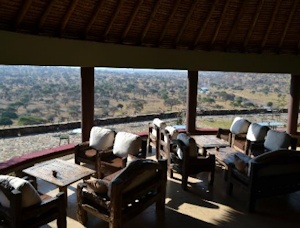
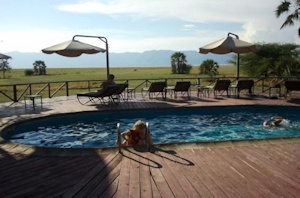
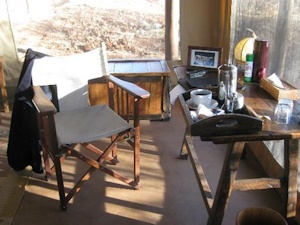
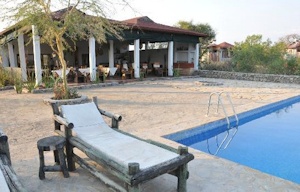
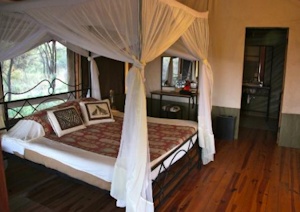
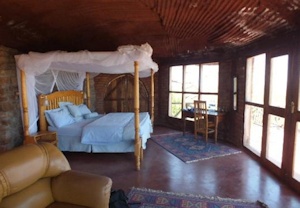
The lodge is built into and around a rocky hill, and the design makes the most of that height. Rooms are spaced out and open to the view, so you wake to the plains rather than to another tent a few metres away. The elevated setting also catches the breeze, which is welcome after a hot afternoon in the park.
Comfort here is about the setting and the quiet rather than polished extras. Meals are usually taken in a central lounge and dining area with the same long views, and the day follows the natural safari rhythm. The table below sketches how a typical stay is structured.
| Activity | Best time | What to expect |
|---|---|---|
| Morning game drive | Dawn to mid-morning | Active predators, elephants near water |
| Walking safari | Early morning or late afternoon | Tracks, birds, plants, small wildlife on foot |
| Cultural visit | Flexible | Maasai homestead, community partnership |
| Afternoon drive | Late afternoon | Cooler air, animals feeding again |
Best Time to Visit Boundary Hill Lodge
The dry season, June through October, is peak time for wildlife around Tarangire. Water pulls the elephants and other game toward the river and the swamps, tracks stay firm, and the viewing is at its most reliable. It is also the busy and higher-priced stretch, so early booking helps if these months fit your plans.
From November to May the green season takes over. Rain spreads water across the plains, so wildlife disperses and the big herds thin. What replaces them is birdlife. Tarangire records more than 550 species, and the wet months bring migrants and breeding colour, along with the calving of some grazers. Rates ease and the country turns green, though the eastern tracks can get sticky after heavy rain.
Fitting Boundary Hill Into a Northern Circuit Safari
A stay at Boundary Hill Lodge works well as part of a wider northern loop. Tarangire pairs naturally with Lake Manyara, the Ngorongoro Crater and the Serengeti, and because the park sits closest to Arusha, it often bookends a trip. The eastern, community-run side suits travellers who have seen the classic parks before and want something with more space and a stronger local link.
Two nights here gives you room for a full-day drive plus a walk or a cultural visit, which is a better use of the setting than a single overnight. The point of coming to this corner is to slow down, not to tick it off.
Birdlife Around Boundary Hill Lodge
Tarangire is one of the strongest birding parks on the northern circuit, with more than 550 species recorded, and the country around Boundary Hill Lodge shares in that richness. The mix of open plains, swamp margins, riverine trees and rocky ground supports a wide spread of birds, from large ground dwellers to small, colourful species in the acacias.
This fits neatly into a bigger route, and our Tanzania packages show how the parks connect.
The park is a good place to see the yellow-collared lovebird and the ashy starling, two species with limited ranges in this part of Tanzania, along with hornbills, bee-eaters, rollers and birds of prey working the thermals over the hills. The green season from November to May is the peak for birding, when migrants arrive and many resident species come into breeding colour. Even guests who did not come for birds tend to warm to them here, because the variety is hard to ignore from a vehicle or on foot during a walking safari.
Frequently Asked Questions
How do I get to Boundary Hill Lodge?
Most guests drive from Arusha, about two to two and a half hours to the Tarangire area, with extra time on rougher tracks to reach the eastern, community side of the park where the lodge sits. Fly-in options to nearby airstrips can shorten the road time.
What does a stay at Boundary Hill Lodge cost?
Rates depend on season and are usually quoted per person per night, higher in the dry-season peak and lower in the green months. Ask the operator for a current figure, since prices move year to year and often include drives and meals.
Can I do walking safaris here?
Yes. Walking safaris led by armed guides and local trackers are part of what makes this lodge distinct, giving a slower, closer look at the land than game drives alone.
What makes the community partnership different?
The lodge operates on Maasai community land through a partnership that shares tourism income locally, so cultural visits and the wider stay support the people who live alongside the park’s wildlife.
Are park fees included?
Park entry fees are normally charged separately by the Tanzania parks authority and paid by card or mobile only, not cash. Check with your operator whether your rate covers park fees or whether they are added on top.