
Findings from the Tanzania tourism industry survey show a sector recovered past its pre-pandemic peak, with international arrivals climbing back above two million, travel earnings rising into the multi-billion-dollar range and the average visitor staying around ten nights. Run jointly by the Bank of Tanzania, the National Bureau of Statistics and tourism authorities on the mainland and Zanzibar, the survey tracks who comes, where they go and what they spend. The data explains why the northern circuit feels busier each dry season.
What the Tanzania Tourism Survey Measures
The Tanzania tourism industry survey is not a single questionnaire but a recurring exercise. Teams collect data at the main departure points, chiefly the international airports at Dar es Salaam, Kilimanjaro, and Zanzibar, and at land borders, sampling departing visitors about their trip. That data feeds the national accounts, so tourism earnings can be measured against other export sectors like gold and agriculture.
The headline measures are arrival numbers, total tourism receipts, average length of stay, average spend per person per night, the purpose of the visit, and satisfaction ratings. Because the work is repeated each year, it also shows direction of travel, which matters more than any single figure.
Visitor Arrivals and Earnings Findings
The clearest finding is growth. International arrivals fell sharply during the global travel shutdown, then rebounded, and recent survey rounds put annual arrivals back above two million, ahead of the roughly 1.5 million recorded before the disruption. Tourism receipts have followed the same curve, with earnings from travel returning to several billion US dollars a year and reclaiming their place as one of the country’s leading sources of foreign exchange.
Tourism’s share of the national economy sits at a meaningful slice of GDP and supports a large number of direct and indirect jobs, from guides and lodge staff to drivers, cooks, and craft sellers. The survey treats these employment and earnings links as central, since the sector reaches well beyond the park gate.
Where Visitors Go: Northern Circuit and Zanzibar
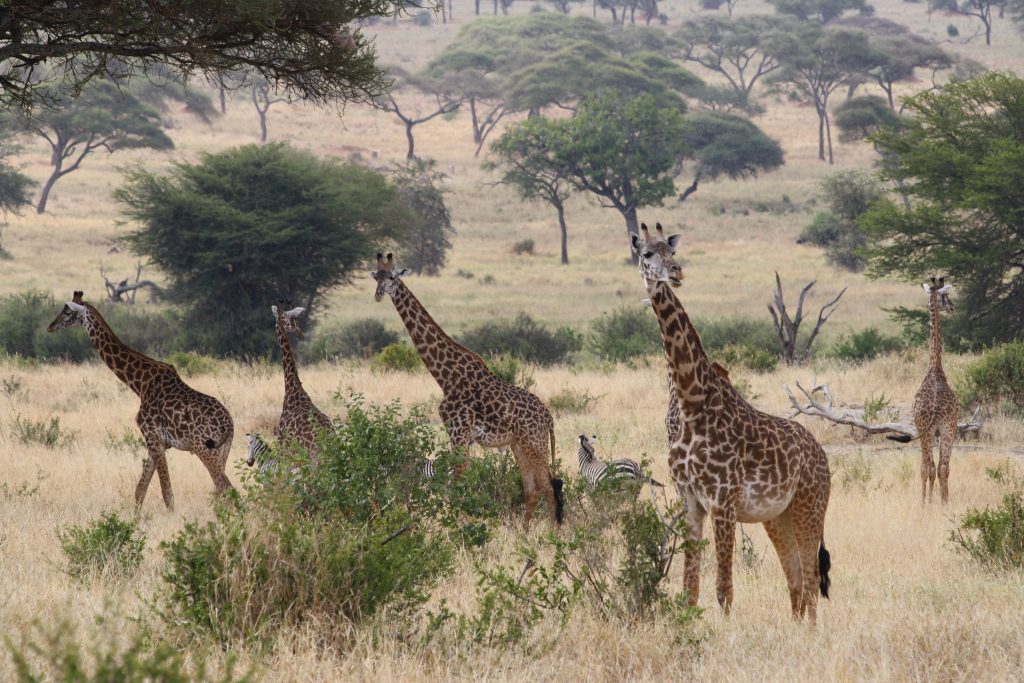
Spending is concentrated. The survey consistently finds that most leisure visitors head to two zones: the northern safari circuit and the beaches of Zanzibar. On the mainland, the parks of Serengeti, Ngorongoro, Tarangire, and Lake Manyara draw the bulk of wildlife travellers, with Arusha acting as the gateway town. Zanzibar captures a large share of arrivals on its own, often combined with a mainland safari in a single trip.
This pattern helps explain seasonal pressure on the northern parks. When arrivals rise, the busiest months in Tarangire and its neighbours feel it first, because so many visitors are funnelled through the same handful of destinations rather than spread evenly across the country.
Length of Stay and Visitor Spending Patterns
Average length of stay comes out at around ten nights, a figure that reflects the common safari-and-beach combination: several days on the northern circuit followed by time on the coast. Average daily spend per visitor runs into the low hundreds of US dollars, though this varies widely between a budget camping safari and a private luxury lodge itinerary.
The survey also breaks down spend by category. Accommodation and park or conservation fees take the largest shares, followed by transport, guiding, food, and shopping. For a travel planner, the takeaway is simple: park fees and lodging are the big line items, and they are where seasonal pricing moves most.
Who Visits Tanzania: Source Markets and Purpose
On purpose of visit, leisure and holiday travel dominates, with business, visiting friends and relatives, and other reasons making up the rest. Source markets are led by a mix of European countries, North America, and a growing set of African and Asian markets, with the exact ranking shifting year to year.
The survey has flagged the steady rise of regional African travel and newer long-haul markets, a shift operators have noticed on the ground. The table below sets out the recurring headline findings in one place, using rounded ranges rather than single-year figures.
| Indicator | Recent survey finding |
|---|---|
| International arrivals | Above 2 million a year, past the pre-pandemic peak |
| Tourism receipts | Several billion US dollars annually |
| Average length of stay | Around 10 nights |
| Main leisure destinations | Northern safari circuit and Zanzibar |
| Leading purpose of visit | Holiday and leisure |
| Overall satisfaction | Largely positive, most would recommend |
Visitor Satisfaction and What Travellers Want Improved
Satisfaction findings are broadly positive. Most surveyed visitors rate their overall experience well and say they would recommend Tanzania to others, with wildlife, scenery, and guiding scoring highest. That word-of-mouth effect is one reason repeat and referral traffic stays strong.
The survey does not hide the weak spots. Recurring complaints centre on the cost and reliability of internal transport, road conditions in and around some parks, the price of park and conservation fees, and patchy connectivity. Value for money comes up too, especially at the top end. These are honest signals rather than dealbreakers, and they tend to shape where the government and operators focus upgrades.
How the Survey Data Is Collected and Why It Is Reliable
Part of what gives the findings weight is the method. Rather than guessing at spend from booking records, the survey interviews departing visitors face to face, asking directly what they paid for accommodation, transport, park fees, food, and shopping. Sampling at the exit points, chiefly the airports at Dar es Salaam, Kilimanjaro, and Zanzibar plus the busier land borders, captures a genuine cross-section of the people actually leaving the country rather than only those who booked through big operators.
That approach lets the statisticians separate holiday travellers from business visitors and those visiting family, and it lets them estimate spend per night with more confidence. The results feed straight into the balance of payments, so the tourism figure can be compared like for like against exports such as gold, cashew, and coffee. When the survey reports a rise, it is measuring real receipts entering the economy, not just a count of heads at the gate.
Trends the Survey Has Tracked Over Time
Because the exercise repeats each year, its real value is in the direction of travel. The recovery from the global shutdown is the obvious recent story, but the longer arc shows arrivals climbing steadily over the past decade, tourism receipts growing faster than raw visitor numbers as average spend has risen, and the visitor mix broadening as regional African and Asian markets grow. The survey has also picked up the slow shift toward longer safari-and-beach combinations, which lifts the average length of stay.
None of these moves happen in a straight line, and a single weak year can reflect global conditions rather than anything local. Reading several survey rounds together, rather than fixating on one, is how the useful signal emerges.
What the Findings Mean for a Tarangire Safari
For a traveller weighing a Tarangire safari, the survey findings translate into a few practical points. Rising arrivals mean the peak dry season from June to October is genuinely busy, so lodges and permits are worth booking early. The concentration of visitors on the northern circuit is exactly why parks like Tarangire, with its dry-season elephant gatherings along the Tarangire River and its baobab country, see strong seasonal demand.
The spending breakdown is a useful budgeting guide as well. Since accommodation and park fees drive most of the cost, choosing your lodge tier and your travel season has more effect on the final price than almost anything else. Green-season travel from November to May tends to be quieter and better value, with the trade-off of tall grass and dispersed game.
For routes, timing and cost across the country, see our Tanzania packages.
Frequently Asked Questions
Who carries out the Tanzania tourism industry survey?
It is run jointly by the Bank of Tanzania, the National Bureau of Statistics, and tourism authorities on the mainland and in Zanzibar. Data is collected mainly from departing visitors at the international airports and land borders.
How many tourists visit Tanzania each year?
Recent survey rounds put international arrivals above two million a year, higher than the roughly 1.5 million recorded before the global travel shutdown. Numbers have been trending upward.
How much does tourism contribute to Tanzania’s economy?
Travel earnings run into several billion US dollars a year, making tourism one of the country’s top sources of foreign exchange, alongside a meaningful share of GDP and a large number of jobs across the sector.
How long do most visitors stay in Tanzania?
The average length of stay is around ten nights, which reflects the common pattern of combining a northern-circuit safari with time on the beaches of Zanzibar.
What do the survey findings say about visitor satisfaction?
Most surveyed visitors rate their trip positively and would recommend Tanzania, praising wildlife and guiding. The main areas flagged for improvement are internal transport, road conditions, connectivity, and value for money at the higher end.