
Oliver’s Camp Tarangire is a classic tented safari camp run by Asilia Africa in the quiet eastern side of Tarangire National Park, on Tanzania’s northern circuit. It is one of the few camps in the park able to offer guided walking safaris and night game drives alongside its day drives. Its ten canvas tents sit among baobabs and open plains near the Gursi floodplain and Silale Swamp, well away from the busy northern gate.
Where Oliver’s Camp Tarangire Sits in the Park
Oliver’s lies in the remote eastern reaches of Tarangire, toward the Gursi and Nguselororobi floodplains and within reach of the Silale Swamp, well away from the busy northern gate area. This is big, open baobab country where game moves between the plains and the permanent water, and where you can drive for long stretches without meeting another vehicle.
The camp is one of the older names in Tarangire, founded by Paul Oliver in the 1990s before passing to Asilia, and it carries a reputation as a walking and wilderness camp. Access is usually by light aircraft to a Tarangire airstrip and a game drive transfer in, or by road from Arusha of roughly three to four hours depending on the route and conditions. The eastern position keeps it quiet while still holding excellent game.
Tents and Style at Oliver’s Camp
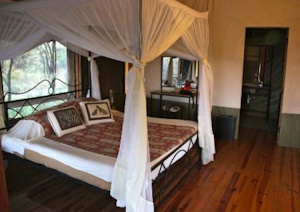
The camp has ten spacious tents in a relaxed, classic safari style, canvas and shade with private verandas facing out over the plains. The feel is unpretentious and rooted in the bush, comfortable without tipping into resort territory, which fits the camp’s walking-and-wilderness character.
Each tent is en-suite, with a proper bed, safari bathroom and a veranda made for sitting out with binoculars. The central mess and lounge area is where guests gather around the fire in the evening, and the overall atmosphere is intimate given the modest tent count. There is no need for a long list of facilities here, since the draw is what lies beyond the canvas rather than inside it. Solar power runs the camp, and charging points keep cameras ready for the next drive.
If walking and night drives are the reason you are coming, tell your agent at booking. These activities depend on guide availability and park permissions in the camp’s zone, so it helps to lock in the plan early.
Dining at Oliver’s Camp
Dining is full board and cooked fresh in the camp kitchen, served in the mess tent, around the fire, or out in the bush when the setting suits. Asilia camps are known for good food handled simply, so expect fresh bread, soups, salads, grilled meats and vegetables, and a proper pudding after a long day out.
Meals flex around the day’s activities, which matters at a camp built for early walks and evening drives. A dawn start might mean coffee and a snack first with breakfast in the bush, while a night drive can be bracketed by dinner around the fire. Special diets such as vegetarian, halal or gluten-free are catered for with advance notice, and bush breakfasts and sundowners out on the plains are part of the rhythm here rather than a rare treat.
Safari Activities from Oliver’s Camp Tarangire
What sets Oliver’s apart is its range of activities. Alongside the standard morning, afternoon and full-day game drives, the camp operates in a zone that allows guided walking safaris and night game drives, two things most camps inside the main park cannot offer. Walking takes you out with an armed guide to read tracks, plants and smaller signs the vehicle races past, while night drives use a spotlight to look for nocturnal animals rarely seen by day.
The day drives work the eastern plains, the Gursi floodplain and the swamp edges, where elephant, lion, buffalo and plains game gather around the permanent water. Tarangire’s elephant herds are the headline sight, strongest in the dry season, though as ever wildlife moves freely and no sighting is guaranteed on a given outing. Night drives turn up creatures such as genet, civet, bushbaby, and sometimes the cats on the move, none of them promised but all possible once the sun is down.
Fly-camping, a night out under a simple mobile camp for the adventurous, has been part of the Oliver’s offering and can sometimes be arranged for those wanting to sleep deeper in the bush. Availability of walking, night drives and fly-camping varies with season and permits, so confirm the details when you book rather than counting on them.
Who Oliver’s Camp Tarangire Suits
Oliver’s suits active travellers who want more than a seat in a vehicle. If the idea of walking the bush at dawn or searching the dark for nocturnal animals appeals, this is one of the few camps in Tarangire that delivers it. It works well for repeat safari-goers, keen naturalists and couples after a quiet, activity-rich stay in a remote corner of the park.
It is less of a fit for those wanting a fast, easy first-night stop by the gate or a facility-heavy family base with a pool. Children can join, though walking safaris carry age limits, so the activity mix skews toward adults and older teenagers. For anyone whose main goal is depth of experience over convenience, Oliver’s is a strong choice.
Best Season to Stay at Oliver’s Camp
The dry season from June to October gives the strongest game viewing, as water dries across the ecosystem and animals draw in to the floodplains, swamp and river. This is peak season for the eastern plains and the busiest window for the camp, so book well ahead. Walking is often at its best in the dry months when tracks and terrain are firm underfoot.
The green season from November to May brings green plains, calving among the grazers and outstanding birding as migrants arrive, with lower rates and thin crowds. Heavy rain from March into May can make some eastern tracks difficult and may affect the camp’s operating dates, so confirm before planning a wet-season trip. The table below sets out the pattern of the year.
If you are planning a longer trip, our safaris in Tanzania bring the main parks together in one itinerary.
| Period | Conditions | Best for |
|---|---|---|
| June to October | Dry, game on the floodplains and swamp | Peak drives, best walking, elephant herds |
| November to December | Short rains, greening plains | Birding, calving begins, few vehicles |
| January to February | Warmer dry spell | Strong plains game, good all-round safari |
| March to May | Long rains, some tracks flood | Green scenery, lowest rates, possible closure |
Frequently Asked Questions
How much does a stay at Oliver’s Camp Tarangire cost?
As a higher-end classic camp, rates commonly fall in the region of 650 to 1,000 US dollars per person sharing per night, full board, shifting with the season. Park entry fees and any light-aircraft transfers are extra and paid by card or mobile money rather than cash. Rates change year to year, so confirm current pricing at the time of booking.
Does Oliver’s Camp offer walking safaris and night drives?
Yes. The camp sits in a zone that allows both guided walking safaris and night game drives, which is unusual inside Tarangire and one of the main reasons travellers choose it. Both depend on guide availability and park permissions, so it is worth confirming when you book.
How do you get to Oliver’s Camp?
Most guests fly by light aircraft to a Tarangire airstrip and transfer in by game drive, which is the fastest option. A road transfer from Arusha of roughly three to four hours is also possible for those on a driving circuit, depending on the route and conditions.
Can you see elephants at Oliver’s Camp?
Elephants are Tarangire’s signature, and the eastern floodplains near the camp draw good numbers, especially in the dry season from June to October. Large herds are commonly seen then, though wildlife moves freely and no sighting can be promised on any single drive or walk.
Is Oliver’s Camp suitable for children?
Children can stay, but walking safaris carry minimum age limits and the camp leans toward active, adult-focused travel, so it suits families with older teenagers better than those with young children. Check age rules for walks when planning.
When is the best time to stay at Oliver’s Camp?
June to October gives the most reliable game viewing and the firmest ground for walking, as animals gather at the permanent water. The green season from November to May suits birders and those wanting quieter drives and lower rates, with the heaviest rains potentially affecting access and camp dates.