Tarangire

Naitolia Eco-Lodge

Naitolia Eco-Lodge is a small, owner-run bush camp on a private wildlife concession between Tarangire National Park and Lake Manyara, roughly a 30 to 45 minute drive from Tarangire’s Boundary Hill gate. It suits travellers wanting a low-key walking-and-cultural base rather than a polished resort, with a handful of stone-and-thatch bandas and Meru-style tents, solar power and unfenced access to Maasai grazing land. Its private setting allows walking safaris and night drives that the national park itself does not permit.

Where Naitolia Eco-Lodge sits

The lodge lies on a community-linked concession in the Maasai steppe west of Tarangire, in Tanzania’s Manyara Region. This position on private land is the single most important thing to understand about staying here. Inside a national park you are confined to your vehicle on established tracks; on a private concession the rules are set by the landholder, so walking safaris, night drives, and village visits all become possible. Naitolia leans into that freedom.

Because it is off the busy Tarangire-to-Manyara tarmac and reached by a rougher access track, the camp feels remote despite being close to two well-known parks. Game moves through the concession seasonally, following water and grazing, so wildlife sightings here are more about atmosphere and tracking on foot than the dense dry-season concentrations you get along the Tarangire River. Set expectations accordingly: this is a place to slow down between park days, not a big-cat guarantee.

Rooms and the camp layout

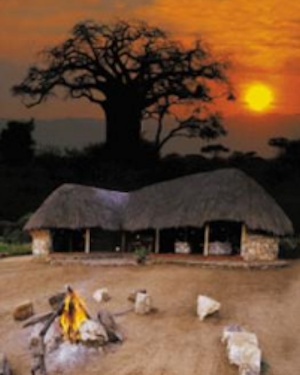
Accommodation is deliberately small in scale, usually a mix of solid bandas built from local stone and timber and raised safari-style tents under thatch shade. Rooms are simple and functional rather than luxurious: a proper bed with mosquito netting, an en-suite or adjacent bathroom, and a veranda facing the bush. Hot water is typically solar-heated or bucket-delivered on request, and lighting runs off solar with limited charging points, so bring a power bank for cameras and phones.

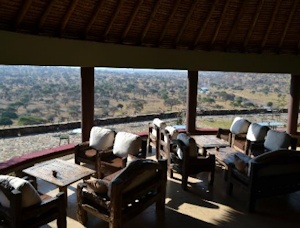
The central area is an open mess and lounge where meals are served family-style, often around a fire after dark. Because the camp is unfenced, wildlife and livestock can pass through, and staff escort guests between tents and the mess at night. That openness is part of the appeal, but it also means the experience is closer to classic bush camping than to a hotel.

Activities you can do from Naitolia

The concession setting unlocks a wider range of activities than a park lodge can offer:

  • Guided walking safaris with an armed ranger and often a Maasai guide, focused on tracks, plants, birds, and the smaller details a vehicle races past.
  • Night drives on the private land, giving a chance at nocturnal species such as genets, bushbabies, and hunting predators that day drives miss.
  • Maasai cultural visits to nearby homesteads, arranged through the community rather than staged, covering livestock life, beadwork, and daily routines.
  • Day game drives into Tarangire, using the lodge as a base and heading to the river, Silale Swamp, and Lemiyon plains during the dry season when elephants gather.
  • Birding across the concession’s mixed acacia and open ground, strong in the green season.

Because Tarangire itself is a short transfer away, many guests split their day between a morning park drive and an afternoon walk or cultural session on the concession.

Best time to stay

Naitolia works year-round, but the two seasons deliver different experiences.

Season Months What to expect
Dry / peak June to October Best Tarangire game viewing as elephants and plains game concentrate on the river; dusty tracks, cool nights, comfortable walking.
Short rains November to December Landscape greens up, migrant birds arrive, occasional afternoon storms.
Green / calving January to May Lush scenery, newborn plains game, over 550 bird species active in the wider ecosystem; some access tracks softer after heavy rain.

Walkers often prefer the dry months for firmer ground and thinner grass, while birders and photographers drawn to green landscapes favour the rains. If your main goal is Tarangire’s famous elephant numbers, aim for June to October.

Getting there

Most guests arrive by road as part of a northern-circuit itinerary. Arusha, the safari gateway town, is roughly two to two and a half hours away by vehicle, and the same route serves Lake Manyara and Ngorongoro. The final stretch to Naitolia is on unsealed concession tracks, so a 4×4 is standard and a competent driver-guide makes the transfer straightforward. If you are self-driving, get precise directions from the lodge in advance, as the turn-off is easy to miss and signage is limited.

Who Naitolia suits, and who it does not

This camp is a strong fit for travellers who value walking, culture, quiet, and a light footprint, and who are relaxed about simple rooms and rustic power and water. Families and small groups often enjoy the unhurried pace and the safety of guided bush activities. It is less suited to guests expecting a swimming pool, air conditioning, reliable fast wifi, or the dense predator action of a river-front lodge. Going in with the right expectations is the difference between a memorable stay and a disappointed one.

Practical tips

  • Pack neutral, layered clothing for cool mornings and warm midday walks, plus closed shoes for the bush.
  • Bring a headtorch, a power bank, and any medication you need, since charging and supplies are limited.
  • Carry small cash for tips and community purchases; card facilities are minimal at this kind of camp.
  • Tarangire park entry fees are paid by card or mobile money at the gate, not cash, so make sure your guide has arrangements in place.
  • Book walking and night activities when you reserve, as guide and ranger availability is limited by the camp’s small size.

What a stay actually feels like

A day at Naitolia tends to follow the light rather than a fixed timetable. Many guests wake early for a guided walk while the air is cool, tracking whatever passed near camp overnight and learning how the Maasai read the bush, from acacia species to the meaning of a broken branch. Breakfast follows back at the mess, then the middle of the day is usually spent resting in the shade, reading, or heading into Tarangire for a game drive that returns before dark. Afternoons might bring a cultural visit or a slower walk, and evenings gather around the fire with dinner served under a sky unpolluted by town lights.

The sound profile is part of the draw. With no generators humming through the night and no fences, you hear the bush directly: insects, distant calls, livestock bells from a nearby homestead. For some travellers this openness is the highlight of the whole safari; for others it takes a night to settle into. Either way, it is a deliberately unhurried, unplugged rhythm that rewards guests who lean into it rather than treating the camp as just a bed between park drives.

If you are planning a longer trip, our Tanzania safari packages bring the main parks together in one itinerary.

Dining and sustainability

Meals are simple, generous, and cooked fresh, often using produce sourced locally where possible, and served family-style so guests and guides eat together. The eco emphasis is genuine rather than cosmetic: solar power, careful water use, minimal built footprint, and a working relationship with the surrounding Maasai community that channels some benefit from tourism back to local people. If low-impact travel and community linkage matter to you, this is one of the camp’s clearest strengths, and it is worth asking staff directly about how the concession arrangement supports the community during your stay.

Frequently asked questions

Is Naitolia Eco-Lodge inside Tarangire National Park?

No. It sits on a private community concession between Tarangire and Lake Manyara, which is why walking safaris, night drives, and village visits are allowed. Day drives into Tarangire are run as a short transfer from the camp.

Can I do walking safaris here?

Yes. Guided walks with an armed ranger are one of the camp’s main draws, made possible by its location on private land rather than inside a national park.

Will I see big cats and large elephant herds?

Lions and leopards move through the concession but are not guaranteed on foot. For the large dry-season elephant concentrations Tarangire is known for, plan a day game drive into the park itself, ideally between June and October.

How remote is it, and is there wifi?

The camp is genuinely off the main road and runs on solar power, so charging is limited and connectivity is patchy at best. Treat it as a digital-quiet base and carry a power bank.

How do I get there from Arusha?

By road it is roughly two to two and a half hours from Arusha on the northern-circuit route, with the last section on rough concession tracks that require a 4×4. Most guests come as part of a guided safari that includes the transfer.